The Shutoff Valve You've Never Turned Is the One That Fails
Under every sink and behind every toilet sits a little valve waiting for its one big moment. Most homeowners find out theirs is seized at the worst time.
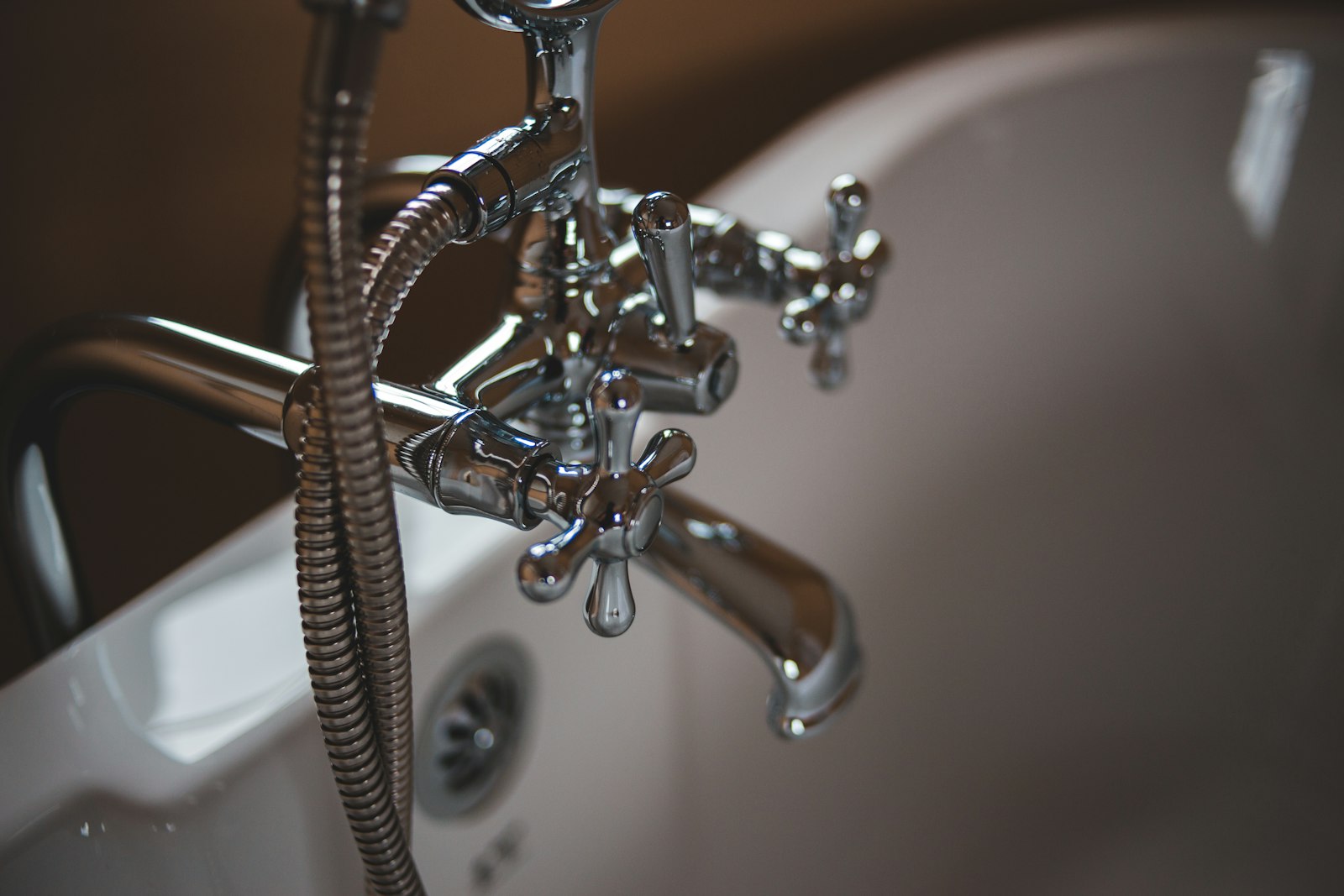
Here's a small horror story that plays out in kitchens everywhere. A supply line under the sink starts spraying. The homeowner — who has read enough internet to know what to do — reaches for the little oval handle on the shutoff valve and turns. Or tries to. The valve, untouched since the house was built, is frozen solid. Now the choice is: keep wrenching on a corroded valve while water sprays your cabinet, or sprint for the main shutoff you're not entirely sure you can find.
The lesson isn't about that one valve. It's that shutoff valves are emergency equipment, and emergency equipment gets tested before the emergency.
Know your valves before you need them
Walk your house once and take inventory. There's a fixture shutoff under each sink (hot and cold), one behind each toilet, valves at the washing machine, usually one at the water heater's cold inlet, and often valves for exterior spigots. Then there's the one that matters most: the main shutoff, typically where the water line enters the house — basement wall, crawl space, garage, or a ground box near the street. Every adult in the house should know where the main is and how it turns. When a pipe lets go, water comes fast, and the difference between a wet floor and a renovated first floor is often just how quickly someone got to that valve.
While you're at it, look at what kind of valves you have. Ball valves — the ones with a lever handle that moves a quarter turn — are the good ones. Multi-turn valves with a round or oval handle rely on a rubber washer and a packing seal, and those are the ones that seize, weep, and crumble with age.
The twice-a-year exercise habit
Valves seize because mineral deposits and corrosion build up on parts that never move. The prevention is almost embarrassingly simple: turn them. A couple of times a year — pick daylight-saving weekends if you need a reminder system — gently close and reopen every fixture shutoff and the main. Gently is the operative word. If a valve resists, don't muscle it with a wrench; an old multi-turn valve can shear or start leaking at the stem when forced. Note it as a replacement candidate instead.
Two small print items: after exercising a multi-turn valve, check the packing nut behind the handle for a slow weep over the next day. A tiny drip there can often be cured by snugging the packing nut an eighth of a turn. And when you reopen a multi-turn valve fully, back it off a quarter turn from wide open — it makes it less likely to stick at the extreme.
Replace on your schedule, not the leak's
A seized or weeping fixture shutoff is one of the most approachable plumbing upgrades there is, because the stakes are controlled: you shut off the main, so the worst case is inconvenience, not flooding. If your supply stops are the old multi-turn type and your pipes are copper, quarter-turn compression-fit replacements go on with two wrenches and no torch. Push-to-connect stops are even more forgiving and work across pipe types. Match the valve to your pipe material and size, have a towel and a small bucket ready for the water left in the line, and don't reuse a crusty old supply line to save eight dollars — braided stainless lines are cheap insurance.
Know your limits, too: galvanized pipe that's flaking apart, a main shutoff that's frozen, or anything on the street side of the meter is plumber territory. A seized main valve is genuinely urgent to fix, because it's the backstop for every other failure in the house.
Five minutes that buys you calm
None of this is glamorous work. But the payoff is a specific kind of confidence: somewhere down the line, a hose will burst or a fitting will let go — plumbing always gets a vote — and instead of panic, it'll be a ninety-second story. Reach under the sink, quarter turn, spray stops, kettle on. That's the whole difference between a disaster and an anecdote: valves that turn because you've turned them.

Subscribe to The Repair Log
One tool tested, one fix walked through, one buy-vs-call call. Saturdays.