Flickering Lights Are a Message. Learn to Read It Before You Call.
One bulb, one room, or the whole house — the pattern of a flicker tells you whether you're shopping for a dimmer or dialing an electrician tonight.
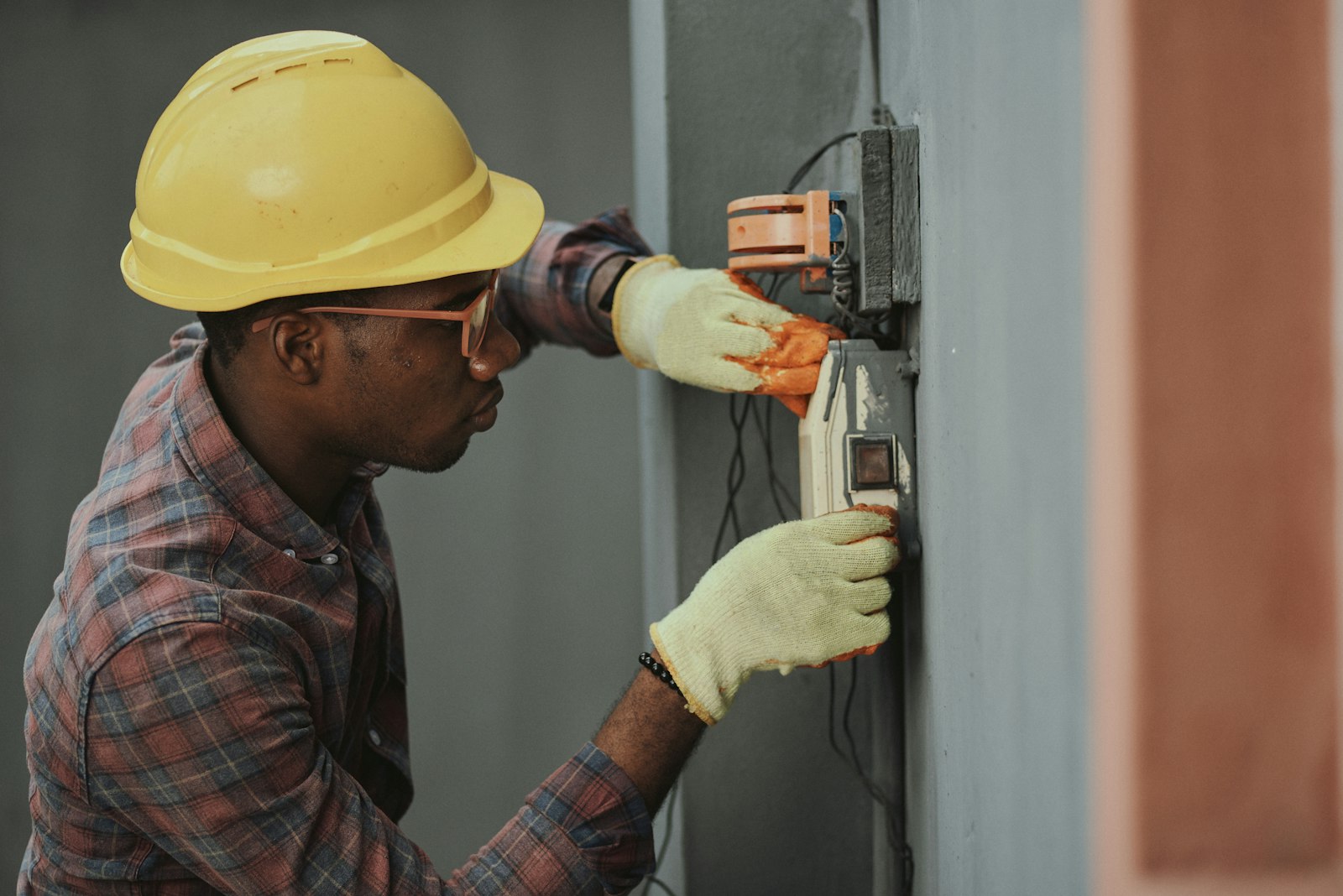
A flickering light is your electrical system talking. Sometimes it's small talk — a cheap bulb grumbling about a dimmer it doesn't like. Sometimes it's a warning you genuinely need to hear. The skill worth having isn't fixing every flicker yourself; it's reading the pattern well enough to know which kind you've got. The pattern is almost entirely about scope: one bulb, one fixture, one room, or the whole house.
One bulb or one fixture: start cheap
If a single bulb flickers, you're probably looking at the least dramatic diagnosis in home electrical. Kill the switch, let the bulb cool, and reseat it — a loose bulb is a genuine classic. If it persists, swap in a known-good bulb.
With LEDs, add one more suspect: the dimmer. LED bulbs and older dimmers designed for incandescents are a famously unhappy marriage — the electronics in the bulb and the electronics in the dimmer argue, and the argument looks like flicker, especially at the low end of the range. The fix is a dimmer rated for LEDs and bulbs listed as dimmable, ideally from the dimmer maker's compatibility list. This is an aisle-at-the-hardware-store problem, not an electrician problem.
If the whole fixture flickers on every bulb, and it's a lamp, check the cord and plug. If it's a hardwired fixture, the connections in its box are suspects — and now you're opening things up, which is fine if you're comfortable working with the breaker off and a non-contact voltage tester in hand, and a phone call if you're not.
One switch's worth of lights: think circuit
When everything controlled by one switch flickers — or the flicker responds to jiggling the switch — the switch itself is a prime suspect. Switches are mechanical devices; the contacts wear out, and a worn switch can flicker its lights or make a faint sizzle you can sometimes hear in a quiet room. A switch that's warm to the touch, crackling, or smells even faintly hot has earned immediate retirement.
Replacing a single-pole switch is a canonical first electrical DIY: breaker off, verify dead with the tester, photograph the wiring, match it on the new switch. The one thing to look for while you're in there: how the old connections were made. Wires wrapped around screw terminals are good. Wires jabbed into the push-in "backstab" holes on the back of cheap switches and outlets are a known source of exactly this kind of intermittent flicker — those spring contacts loosen with years of thermal cycling. Moving backstabbed wires to the screw terminals is a real upgrade hiding inside a ten-dollar repair.
A whole room or several rooms: respect it more
Flicker that spans a room or follows big appliances — lights dipping when the AC compressor, dryer, or microwave kicks on — deserves more respect. A brief, slight dim when a big motor starts is common and usually benign; motors draw a surge on startup. But dimming that's getting worse over time, or flicker across multiple rooms with no appliance pattern, points at loose connections somewhere upstream: at a device daisy-chained along the circuit, in a junction box, or at the panel. Loose connections build heat, and heat is the thing that turns electrical problems into fire problems. This is the tier where "handy" honestly assesses itself. Panel work is electrician work.
The whole house: call, and maybe call the utility
When the entire house flickers — every room, both floors, lights and electronics together — the problem is likely at the service level: the main panel, the meter, or the utility's own connections at the weatherhead, where overhead lines and decades of weather meet. Loose or corroded service connections can flicker a whole house, and they can also cook themselves into a genuine emergency. This one isn't a judgment call. Call an electrician, and if the flicker coincides with your neighbors' lights doing the same dance, call the utility — the fault may be on their side of the meter, where they fix it for free.
The rule of thumb
Small scope, small problem: bulbs, dimmers, and switches are yours. Growing scope, growing stakes: rooms mean circuits, and the whole house means service equipment. Flicker that comes with heat, buzzing, or a burning smell skips the flowchart entirely — breaker off, professional in. The lights were kind enough to warn you. Take the message.

Subscribe to The Repair Log
One tool tested, one fix walked through, one buy-vs-call call. Saturdays.